
Rural Planning Support
With a combination of previous work on rural projects and education on them, you can trust us to have the necessary experience and knowledge needed to efficiently and successfully complete your next rural project.
Additional dwelling units
Boundary adjustment severance
Case Study
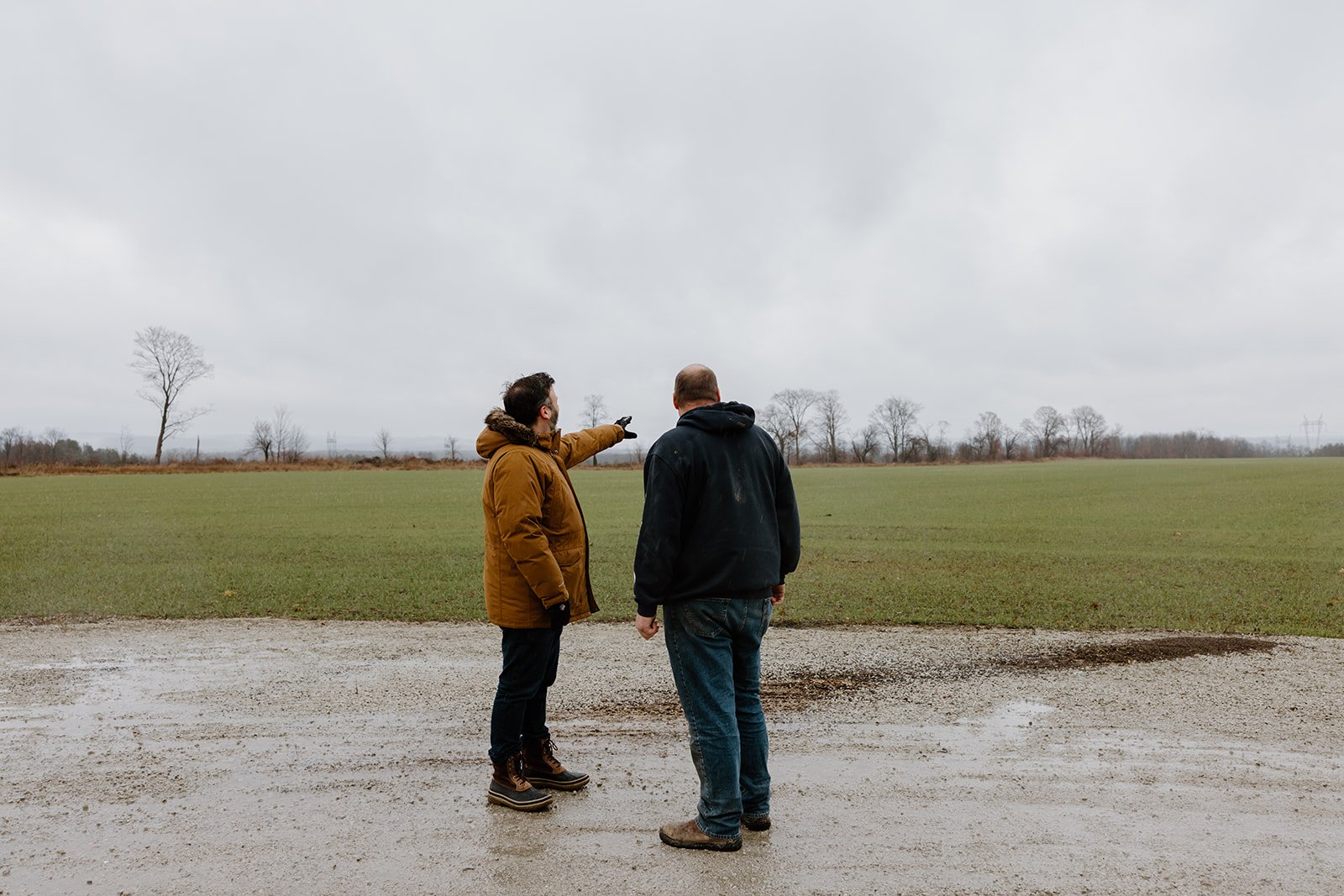
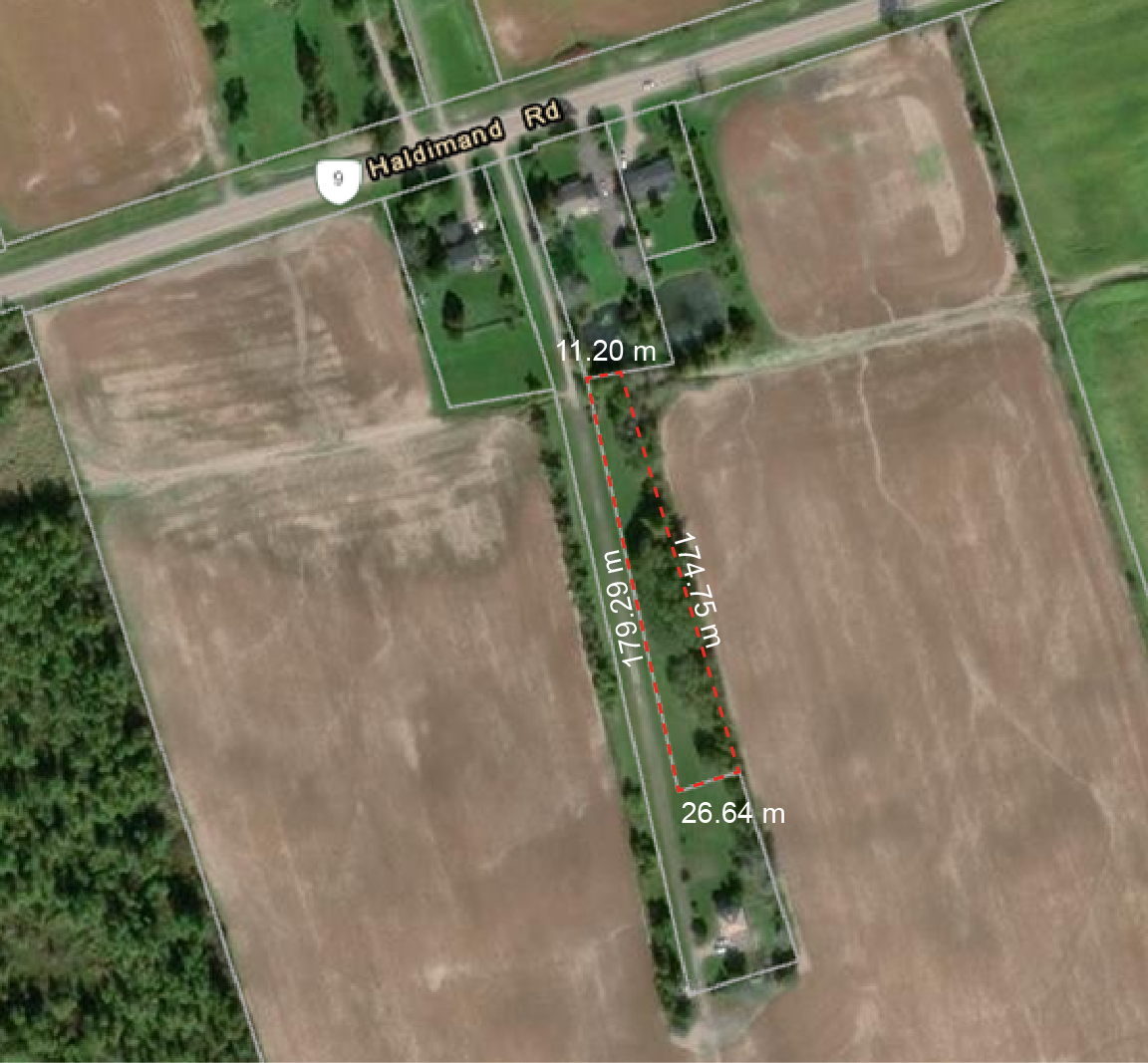
Rural Additional Dwelling Unit and Boundary Adjustment – Haldimand County
Scope of Work
Nethery Planning coordinated planning approvals to facilitate a detached Additional Dwelling Unit (ADU) and minor boundary adjustment on a rural residential property in Haldimand County. The project supported multigenerational living and aging in place through the creation of a secondary residential unit on agricultural lands.
Services included:
- Planning Opinion Letter preparation
- Consent application support for a technical boundary adjustment
- Minor variance applications
- Planning policy analysis
- Septic servicing and site configuration review
- Committee of Adjustment support and representation
The project required coordination between rural housing policy, agricultural land protection, and on-site servicing requirements.
Challenges
The project involved several planning complexities associated with introducing a detached Additional Dwelling Unit within a prime agricultural area, including:
- Locating the ADU within the front yard rather than the rear yard
- Increasing the permitted floor area of the ADU beyond zoning limits
- Expanding septic servicing capacity
- Maintaining agricultural land viability
- Coordinating a technical boundary adjustment without creating a new lot
The existing lot configuration limited the available buildable area and servicing opportunities, requiring a strategic planning approach to support the proposed development.
Solutions
Nethery Planning developed a coordinated planning strategy that combined a technical lot boundary adjustment with minor variances to support the orderly development of the property. The proposal demonstrated that:
- No active farmland would be removed from production
- The ADU remained subordinate to the principal dwelling
- The development supported Provincial housing objectives
- The proposal facilitated multigenerational living and aging in place
- Septic servicing could be accommodated without encroaching into active agricultural lands
The planning rationale carefully aligned the proposal with Provincial Planning Statement (2024) housing and agricultural policies while maintaining the long-term viability of the retained agricultural parcel.
Outcomes
The project established a planning framework to support rural multigenerational living through the introduction of a detached Additional Dwelling Unit and associated servicing infrastructure. The proposal balanced housing flexibility with agricultural land protection and demonstrated how modest rural intensification can occur in a manner consistent with Provincial and municipal policy objectives.
The project also formalized a long-standing property maintenance arrangement through a technical boundary adjustment that aligned legal ownership with existing on-site use patterns.
Case Study
On-Farm Diversified Use in Norfolk County
Scope of Work
Nethery Planning coordinated and managed the planning approvals process to permit a large-scale supplementary farm dwelling in the form of a mobile home to accommodate seasonal farm labourers supporting an expanding flower farm operation.
Services included:
- Pre-consultation coordination with municipal and County staff
- Concept sketch preparation
- Planning Justification Report preparation
- Official Plan Amendment and Zoning By-law Amendment applications
- Site Plan Approval coordination
- Coordination with Long Point Region Conservation Authority
- Public meeting and County Council presentation support
The project also included strategic planning advice related to agricultural labour accommodations and long-term expansion of the farming operation.

Challenges and Solutions
The project required multiple planning approvals to permit seasonal farm labour accommodations within an agricultural designation and zoning framework. The proposed housing exceeded the municipality’s threshold for a standard supplementary farm dwelling, triggering the need for:
- A site-specific Official Plan Amendment
- A Zoning By-law Amendment
- Site Plan Approval
Additional complexity included:
- Locating development near regulated conservation lands
- Demonstrating servicing capacity for additional accommodations
- Ensuring compatibility with ongoing agricultural operations and rural land use policies
- Coordinating approvals between the Municipality of Bayham, Elgin County, and the Long Point Region Conservation Authority
Nethery Planning developed a strategic approvals approach centered on demonstrating the direct relationship between the expanded labour accommodations and the operational needs of the farm, which grew from 142 to 252 acres under cultivation. The team prepared a comprehensive Planning Justification Report supporting the proposal’s consistency with Provincial, County, and local agricultural policies and coordinated the required approvals process through municipal and County review.
Outcomes
The project supported the expansion of an active agricultural operation by facilitating additional seasonal farm labour accommodations on-site. The proposed development reinforced the long-term viability of the farm operation while maintaining compatibility with surrounding agricultural uses and rural character.
The project demonstrated how planning tools can support Ontario’s agri-food economy through proactive agricultural land use planning and coordinated municipal approvals.
Case Study
Oro-Medonte Off-Road Motorized Vehicle Training Centre
Scope of Work
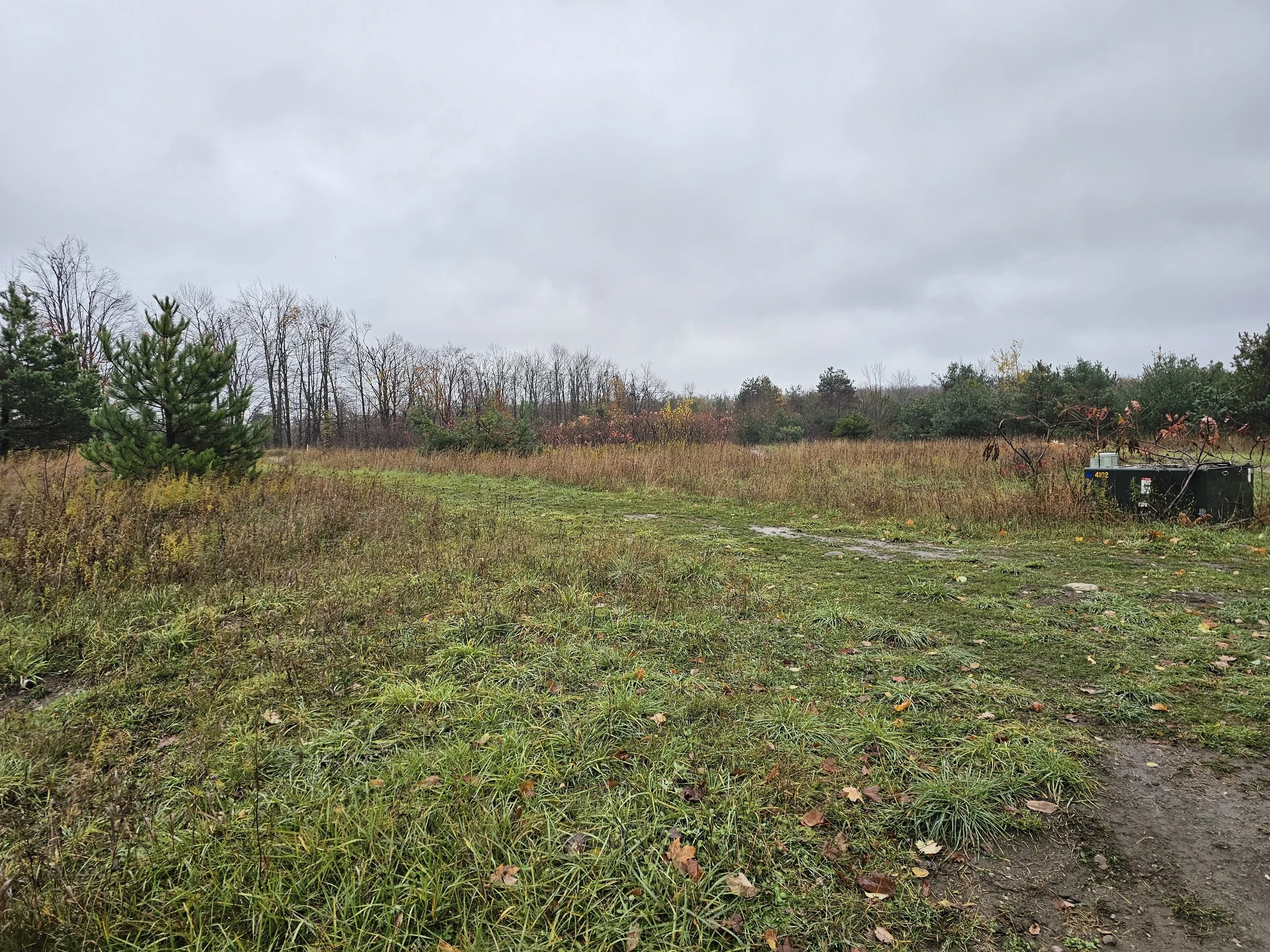
Nethery Planning was retained to support a Zoning By-law Amendment application to permit the development of an off-road motorized vehicle training centre on lands designated Agricultural/Rural in the Township of Oro-Medonte, in Simcoe County. The project also includes a consent application to sever a buildable lot on the property. The existing operation is located nearby, and the proposed relocation to a larger parcel will allow for expansion of the use.
The work involves the preparation of a Planning Justification Report (PJR) to evaluate the proposed use within the context of the Provincial Planning Statement (2024), Simcoe County Official Plan, and the Township’s local planning framework. Nethery Planning is coordinating with the client and technical consultants to support the application, including site design, access, noise mitigation, and operational considerations. The proposed development includes a training facility building, café space, and outdoor storage areas, and will support year-round operations promoting safe riding for dirt biking, ATV use, and snowmobiling for a wide range of users.
Challenges and Solutions
A key challenge for this project is securing permissions to relocate an existing off-road motorized vehicle training operation to a site in closer proximity to an outdoor Nordic-style spa, where maintaining a quiet environment is essential. Nethery Planning is addressing this by demonstrating that the proposed use can be compatible in this location with appropriate site planning and noise mitigation. Nethery Planning’s objective is to ensure the operation is planned to function compatibly with surrounding uses.
Case Study
Sawmill as an Agriculture-Related Use in South Bruce
Scope of Work
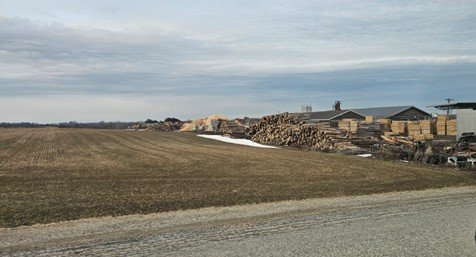
Nethery Planning was retained by a private client to support a Zoning By-law Amendment application to permit a sawmill operation in the Municipality of South Bruce. The project included the preparation of a Planning Justification Report (PJR) to evaluate the proposed use within the context of the Provincial Planning Statement (2024), the County of Bruce Official Plan, and the local municipal planning framework.
The work involved a detailed policy analysis to demonstrate that the proposed sawmill represented an agriculture-related use that supports the surrounding rural and agricultural context. Nethery Planning also coordinated with the client and technical consultants to support the application and ensure alignment with municipal requirements, including site plan considerations and supporting materials.
Challenges and Solutions
A key challenge for this project was demonstrating that the proposed sawmill use was appropriate within a prime agricultural area and consistent with applicable Provincial and local policy. Nethery Planning addressed this by clearly articulating how the operation functions as a value-added activity linked to local woodlot and forestry resources, while maintaining the primary agricultural function of the property. Ongoing coordination with municipal and County staff also helped confirm the appropriate approval pathway and refine the scope of the application.
Outcomes
Through this work, Nethery Planning provided a clear and defensible planning rationale to support the proposed Zoning By-law Amendment. The application demonstrated consistency with Provincial policy and conformity with local planning documents, while supporting rural economic activity and diversification. It was passed by local Council in March 2026.
Case Study
Bayham Norfolk Boundary Road
Scope of Work
Official Plan Amendment, Zoning By-law Amendment, and Site Plan Approval to permit a mobile trailer for nine seasonal farm workers. The mobile trailer is intended to be replaced in 2-3 years' time with a permanent bunkhouse that accommodates 24 seasonal farm workers. Additional seasonal farm workers are needed to support a growing farm operation during seasonal months, and the mobile trailer and future bunkhouse will accommodate these workers.

Outcomes
An Elgin County Council adopted Official Plan amendment, and a Municipality of Bayham adopted Zoning By-law amendment to allow a large-scale supplementary dwelling on the subject lands, as well as an approved site plan by Town Staff.
Case Study
Large-Scale Supplementary Dwelling in Bayham
Scope of Work
Official Plan Amendment, Zoning By-law Amendment, and Site Plan Approval to permit a fourth bunkhouse for twenty seasonal farm workers. Additional seasonal farm workers are needed to support a growing farm operation during seasonal months, and the fourth bunkhouse will accommodate these workers, plus four other workers that will relocate from existing bunkhouses on the subject lands to provide more livable space per worker.

Challenges and Solutions
Through planning due diligence, it became apparent that the subject lands previous minor variance completed did not recognize the front yard setbacks of an existing bunkhouse. This was recognized in the OP and ZBL amendments process.
Outcomes
An Elgin County Council adopted Official Plan amendment, and a Municipality of Bayham adopted Zoning By-law amendment to allow a large-scale supplementary dwelling on the subject lands, as well as an approved site plan by Town Staff.